

By: Ritah Ssemaganda
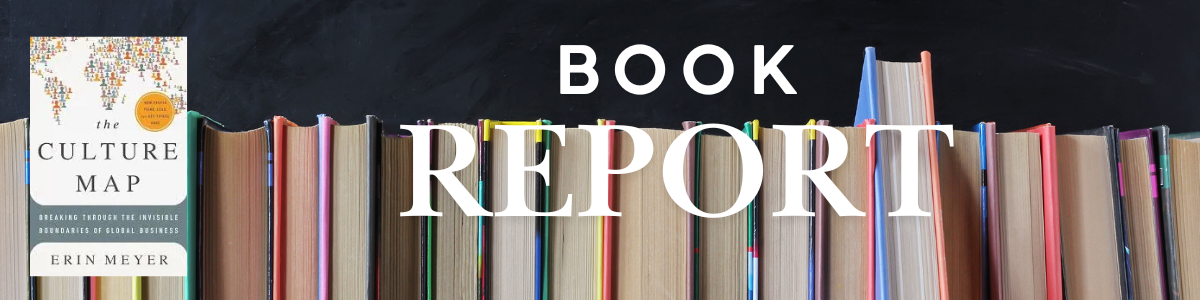
The Culture Map: Book Report
Communication styles differ significantly across borders. In low-context cultures like the U.S., Australia, and the Netherlands, communication is explicit and direct; people “say what they mean” to eliminate misunderstanding. Conversely, in high-context cultures such as Japan, China, and Kenya, meaning is often inferred through shared history and social cues, requiring leaders to “read between the lines.” This extends to how we provide feedback. While “Upgrader” cultures like Israel and France offer blunt, direct criticism, “Downgrader” cultures—including Japan, Thailand, and Ghana—use softening language to protect relationships and public standing. Recognizing these nuances is essential for any leader who wishes to motivate rather than discourage their team.
The ability to persuade others depends on whether a culture leans toward an “Applications-First” or “Principles-First” approach. Leaders in North America often focus on practical “how-to” facts, while those in Italy or Spain prefer to build a theoretical “why” before moving to action. This influences leadership structures as well. In hierarchical cultures like India, Nigeria, or Russia, status is paramount and decisions flow from the top down. This stands in contrast to the egalitarian approach found in Denmark or Sweden, where the leader acts as a facilitator among equals, and decisions are reached through a slower, consensus-driven process that ensures faster implementation.
Trust is the foundation of any collaboration, but it is built differently across the globe. In task-based cultures like Germany or the U.S., trust is “cognitive,” stemming from professional competence and reliability. However, in relationship-based cultures such as Brazil, Turkey, or China, trust is “affective” and built through personal connections over shared meals and time. This affects how we handle disagreement. Confrontational cultures, like those in Israel and France, view open debate as a healthy sign of engagement. In contrast, avoiding-confrontation cultures, like Indonesia or Japan, see direct disagreement as a personal attack that disrupts group harmony. Adjusting one’s confrontational “volume” is a key skill for a global leader.
Finally, the perception of time can be a major source of friction. Linear-time cultures, such as Germany and the UK, prioritize strict schedules and punctuality as a sign of respect. Meanwhile, flexible-time cultures in Africa and Saudi Arabia prioritize adaptability, viewing time as elastic and focusing more on the present moment than a rigid clock. Understanding that what is “late” in one culture is “on time” in another is vital for project management and team morale.
Personal Reflection and Commitment
Reading The Culture Map has shifted my perspective on leadership. I realize that miscommunication often happens because we assume our own “normal” is universal. Moving forward, I will be more mindful of when to be explicit and when to look for non-verbal cues. In my interactions with colleagues from relationship-based cultures, I will intentionally invest time in personal connection—grabbing coffee and engaging in small talk—knowing this is the true foundation of professional trust.
Ultimately, cultural awareness is about adaptability. Instead of assuming my way is the “right” way, I am committed to observing, listening, and adjusting my style to meet the needs of my team. I highly recommend this book to my husband, my coachees, and our Leadership Team. It provides a practical map to navigate misunderstandings and helps us see that even when we share the same mission, our paths to reaching it are beautifully diverse.
Editor’s Note
ЗОЛОТО is a learning journey designed to equip you with the tools and insights to become a Bold, Spiritual, and Skillful Leader. Combining spiritual growth with practical skills, this journey empowers you to navigate challenges and impact God’s Kingdom. As part of this experience, each participant completes a series of seven to eight book reports to sharpen their leadership lens. This report on Erin Meyer’s The Culture Map, submitted by Ritah Ssemagand of the GOLD 2025 cohort, is one such reflection, exploring how cultural intelligence enhances global ministry and collaboration.
 English
  Spanish
  French
  Russian
  Chinese
  Arabic